Entry · Ref AKKRA6MA
What a truck accident investigation reveals about your crash
- Posted
- 2026-11-24
- Last amended
- 2026-11-24
- Account
- @roadsiderecovery
A crash involving a large commercial truck is different from a typical car accident in almost every way. The size and weight of the vehicle, the hours of operation, and the layers of regulation all create a more complex picture of what happened. For anyone injured in such a crash, understanding how investigators piece together the event can make a real difference in knowing what evidence may matter later.
The basics of a truck accident investigation
When a truck collides with a passenger car, the investigation often begins before anyone leaves the scene. Law enforcement, sometimes joined by specialists from the commercial carrier, documents the position of the vehicles, the condition of the road, and any visible damage. But the process goes far beyond what a police report can capture. Investigators look at driver logs, onboard electronic data, and the mechanical state of the truck itself.
The goal is to reconstruct the crash sequence in a way that explains why it happened. Was the driver fatigued? Did a mechanical failure play a role? Were road conditions a factor? Answering those questions requires a methodical look at several types of evidence, and the findings can have a direct impact on how a claim for compensation proceeds.
Black box data and driver logs
Most modern commercial trucks are equipped with an event data recorder, often called a black box. This device records information such as speed, brake application, steering angle, and engine RPM in the seconds before a crash. It can show whether the driver braked late, was speeding, or made a sudden evasive maneuver. That data is usually time-stamped and difficult to alter, making it one of the most objective pieces of evidence available.
Driver logs are another key source of information. Federal regulations require truck drivers to keep records of their driving hours, rest periods, and duty status. Electronic logging devices now make these records more reliable than the old paper logs, but violations still occur. An investigator will compare the driver’s log with the black box data to see if there are discrepancies. A log that shows eight hours of rest while the black box shows the truck moving at 3 a.m. is a red flag for fatigue or falsification.

Road conditions and crash reconstruction
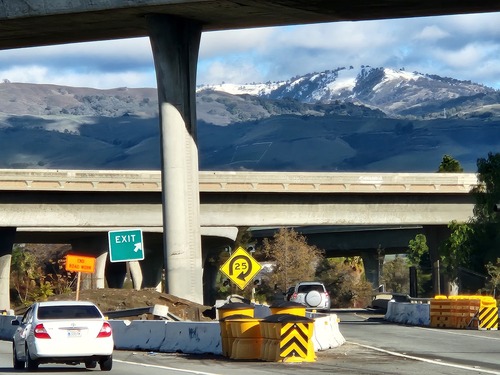
The physical environment at the crash site also tells a story. Road conditions such as potholes, debris, poor lighting, or missing signage can contribute to an accident. In some cases, the road itself may be a factor, especially if construction zones or unsafe shoulders are involved. Investigators take photographs, measurements, and sometimes drone footage to create a detailed map of the scene.
Crash reconstruction specialists use that data to build a computer model of the collision. They calculate speeds, angles of impact, and distances traveled after the crash. This analysis can show whether the truck driver had enough time to react or whether a sudden road hazard made the collision unavoidable. It can also reveal whether a car driver’s actions, such as cutting in front of the truck, contributed to the event.
Mechanical evidence and maintenance records
A truck’s mechanical condition is often a critical part of the investigation. Brake failures, tire blowouts, and steering problems can cause a crash even when the driver is fully alert. Investigators inspect the truck’s braking system, tires, lights, and coupling devices. They also request maintenance records from the carrier. If a truck had a known brake defect that was not repaired, or if it failed a recent inspection, that information becomes central to the case.
Helmet evidence may also matter in crashes involving motorcycles or cyclists. If a rider was wearing a helmet, the damage to the helmet can indicate the force of impact and the direction of the blow. That data helps reconstruct the sequence of events and can support claims about how the injury occurred.
Multiple defendants and catastrophic injury
One of the challenging aspects of truck accident claims is that there may be multiple defendants. The driver is one party, but the commercial carrier that owns or leases the truck may also be liable. If a defect in the truck caused the crash, the manufacturer or a repair shop could be involved. When a load shifts or falls off the truck, the company that loaded the cargo may share responsibility. Sorting out who is responsible for what takes careful investigation and legal analysis.
Catastrophic injuries, such as spinal cord damage, traumatic brain injury, or multiple fractures, are more common in truck crashes because of the sheer force involved. The medical evidence in such cases is extensive and often requires expert testimony. Investigators work with medical professionals to document the full extent of the injuries and to show how they relate to the crash. That evidence is essential for calculating the long-term costs of care, lost income, and pain and suffering.
For anyone navigating this process, understanding the role of each piece of evidence is important. The black box data may show exactly what the driver did. The maintenance records may reveal a known problem. The road conditions may point to a design flaw. Each finding adds a layer to the picture of what happened and who may be at fault.
Seeking qualified representation for roadway accident victims can help ensure that this evidence is gathered and preserved early. Attorneys who handle these cases know what to look for and how to work with investigators, reconstruction experts, and medical specialists. They also understand the deadlines and procedural rules that apply to claims against commercial carriers.

If you or someone you know has been injured in a truck accident, the investigation that follows is not just a routine procedure. It is the foundation for any claim you may pursue. The records that seem technical or unimportant now, such as a driver log or a brake inspection report, may turn out to be the key to proving negligence. Working with someone who understands how to use that evidence is a practical step toward getting the compensation you deserve.
In the end, a thorough investigation does more than answer questions. It gives you the facts you need to move forward. Whether the crash was caused by driver error, mechanical failure, poor road conditions, or a combination of factors, the evidence will tell the story. And that story is what matters when you seek representation for roadway accident victims who have suffered because of someone else’s negligence.